Content
All issues / Volume 20 (2026) / Issue 5 (May)
Markus Gahleitner
Vol. 20., No.5., Pages 435-436, 2026
DOI: 10.3144/expresspolymlett.2026.33
Vol. 20., No.5., Pages 435-436, 2026
DOI: 10.3144/expresspolymlett.2026.33
This is an editorial article. It has no abstract.
Nguyen Chi Thanh, Huynh Hoang Trung, Bui Phuong Dong, Nguyen Thanh Huy, Nguyen Bui Anh Duy, Pham Nguyen Hong Nhu, Dang To Hoai Vy
Vol. 20., No.5., Pages 437-453, 2026
DOI: 10.3144/expresspolymlett.2026.34
Vol. 20., No.5., Pages 437-453, 2026
DOI: 10.3144/expresspolymlett.2026.34
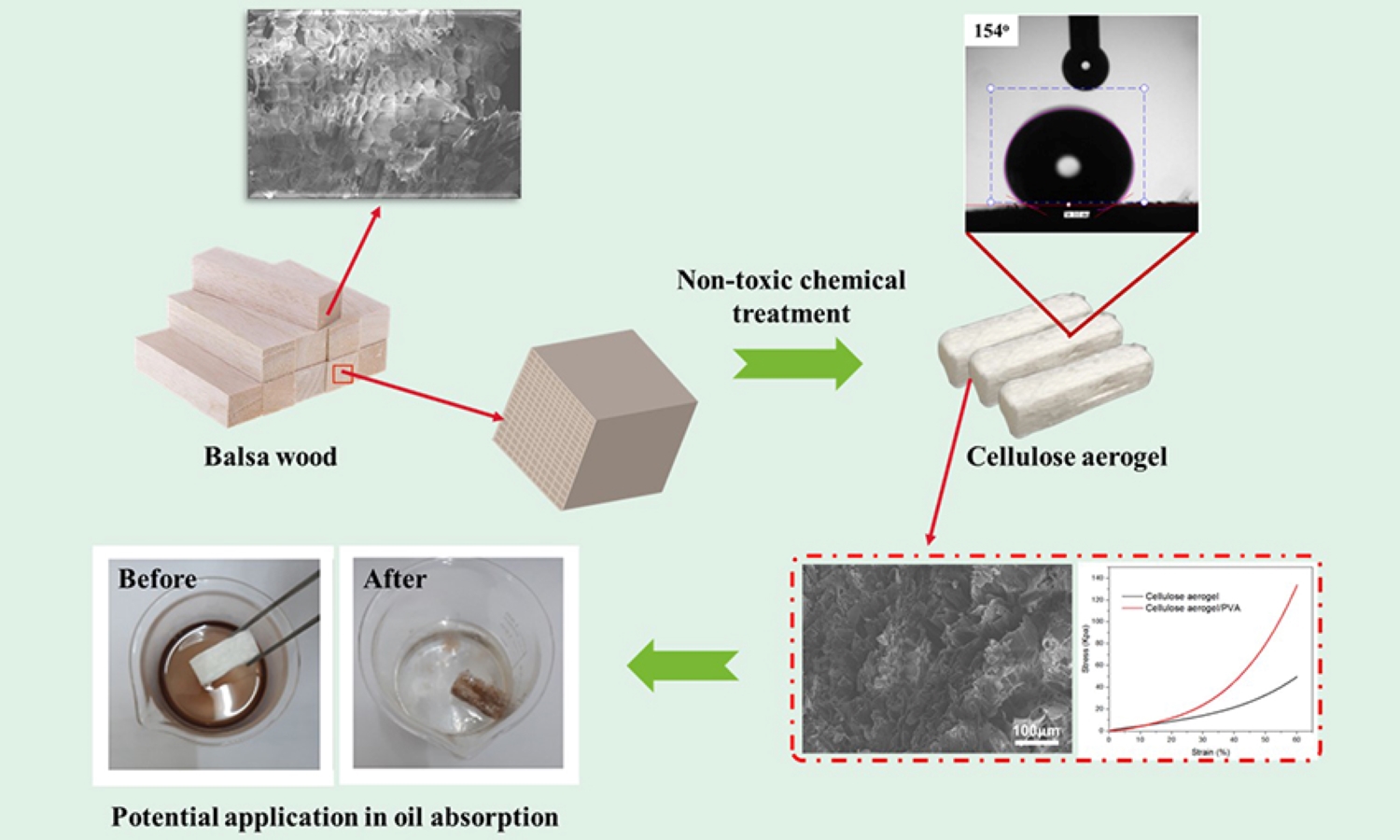
In this work, oil-absorbing cellulose aerogel was fabricated from balsa wood waste, aiming to enhance the valueadded utilization of biomass waste. Cellulose was extracted using a simple treatment and subsequently formed into aerogel through a freeze-drying process. The material was reinforced with polyvinyl alcohol (PVA) and modified using a polydimethylsiloxane/n-hexane system to improve mechanical strength and hydrophobicity. Fourier transform infrared (FTIR) spectroscopy and X-ray diffraction (XRD) results confirmed effective removal of hemicellulose and lignin, resulting in a crystallinity index of 82.18%. The obtained materials exhibited a porous structure with a specific surface area of 15.28 m2/g and a pore volume of 0.034 cm3/g, as determined by Brunauer–Emmett–Teller (BET) analysis. Mechanical testing demonstrated that PVA reinforcement significantly enhanced the compressive strength compared to non-reinforced materials. Contact angle result revealed pronounced hydrophobicity of modified aerogel, with water contact angles ranging from 150° to 154° after modification. Oil absorption tests showed that the aerogel achieved a high oil uptake capacity of 1.67±0.26 g/g. Owing to its reasonable oil absorption performance, enhanced mechanical properties, and inherent biodegradability, this aerogel exhibits strong potential as an environmentally friendly sorbent for oil spill remediation and sustainable utilization of balsa wood waste.
Kaja Kupnik, Jure Dobnik, Patricija Skrivarnik, Rebeka Lorber, Irena Pulko, Janez Slapnik
Vol. 20., No.5., Pages 454-472, 2026
DOI: 10.3144/expresspolymlett.2026.35
Vol. 20., No.5., Pages 454-472, 2026
DOI: 10.3144/expresspolymlett.2026.35
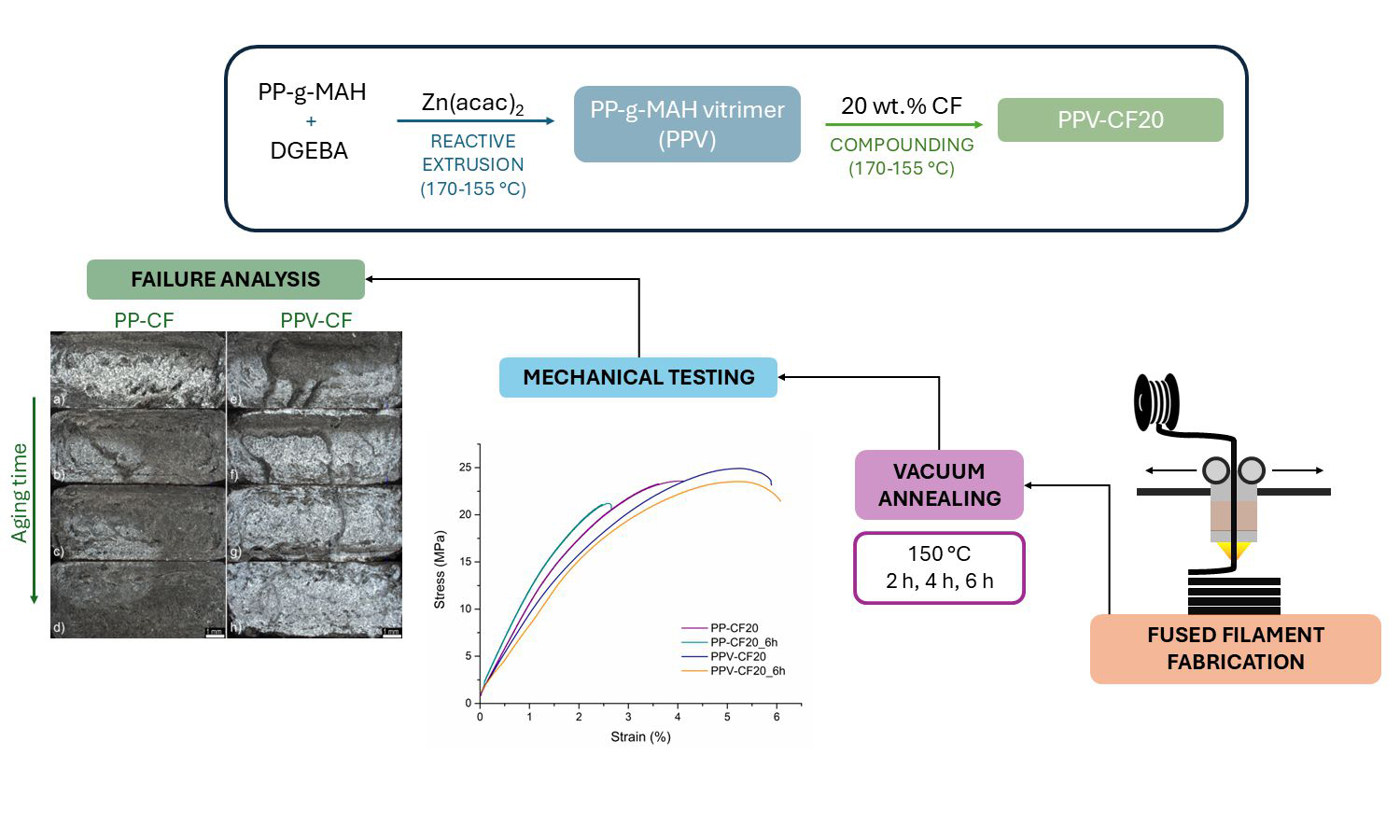
Fused filament fabrication (FFF) notoriously suffers from weak interlayer adhesion, leading to anisotropic mechanical properties in the fabricated parts. The present study addresses this challenge by developing thermoplastic-based vitrimers via reactive extrusion of maleic anhydride-grafted polypropylene (PP-g-MAH) with an epoxy crosslinker and a transesterification catalyst. The vitrimers were further compounded with carbon fibres (CF), processed into filaments, and used for FFF to fabricate specimens for testing interlayer adhesion. Spectroscopic and thermomechanical analyses revealed the formation of a crosslinked network, characterised by β-hydroxyester linkages and a pronounced rubbery plateau. Vitrimers exhibited enhanced mechanical properties, with notched Charpy impact strength increasing by up to 155%. As-printed vitrimeric FFF specimens demonstrated enhanced flexural toughness, indicating that dynamic transesterification reactions during layer deposition promote more consistent interlayer bonding. Vitrimeric specimens exhibited slightly increased flexural strength and preserved toughness upon post-printing thermal annealing at 150 °C, while non-vitrimeric specimens exhibited systematic embrittlement. The results demonstrate that vitrimerisation of thermoplastic polymers is a viable and effective strategy for improving interlayer adhesion in FFF fabricated parts.
Sudheesh Parathakkatt, Vaisakh Kizhuveetil, Gokul G. K., Rajashree Ajay Markandewar
Vol. 20., No.5., Pages 473-488, 2026
DOI: 10.3144/expresspolymlett.2026.36
Vol. 20., No.5., Pages 473-488, 2026
DOI: 10.3144/expresspolymlett.2026.36
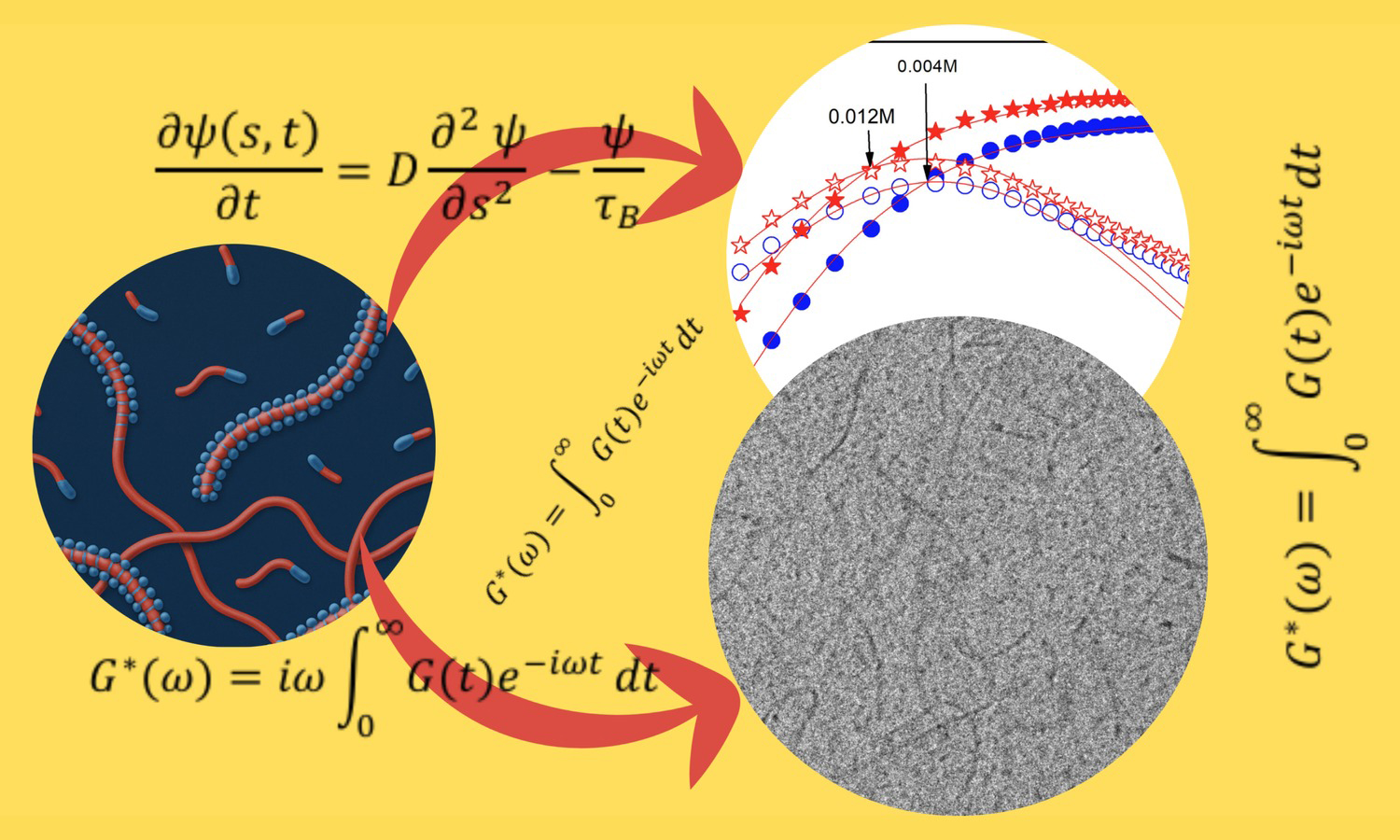
Worm-like micelles (WLMs) are dynamic, self-assembling supramolecular structures that exhibit complex viscoelastic behaviour due to their ability to undergo reversible scission, fusion, branching, and sequence rearrangement. This review provides a comprehensive analysis of recent theoretical advances in modelling WLM rheology, from classical reptation–scission theories to modern stochastic simulations and multi-scale population-balance frameworks. A central challenge addressed is the rheological indistinguishability of competing models under linear conditions, which renders inverse modelling ill-posed and necessitates the integration of experimental data, such as cryogenic transmission electron microscopy (cryo-TEM), small-angle neutron scattering (SANS), and flow birefringence, to constrain theoretical predictions. The article further explores the limitations of conventional models in capturing nonlinear responses, including shear banding and extensional strain hardening, and emphasizes the need for spatially resolved, structurally informed constitutive equations. Emerging tools, including neural networks and hybrid modular frameworks, are identified as promising solutions for bridging microscopic rearrangement dynamics with macroscopic flow behaviour. Ultimately, the development of predictive, physically grounded WLM models will be essential for advancing applications in formulation science, smart materials, and industrial processing.
Junxiu Xue, Kaituo Fang, Zhenchun Xu, Huiguang Bian, Yu Wang, Yongming Zhang
Vol. 20., No.5., Pages 489-500, 2026
DOI: 10.3144/expresspolymlett.2026.37
Vol. 20., No.5., Pages 489-500, 2026
DOI: 10.3144/expresspolymlett.2026.37
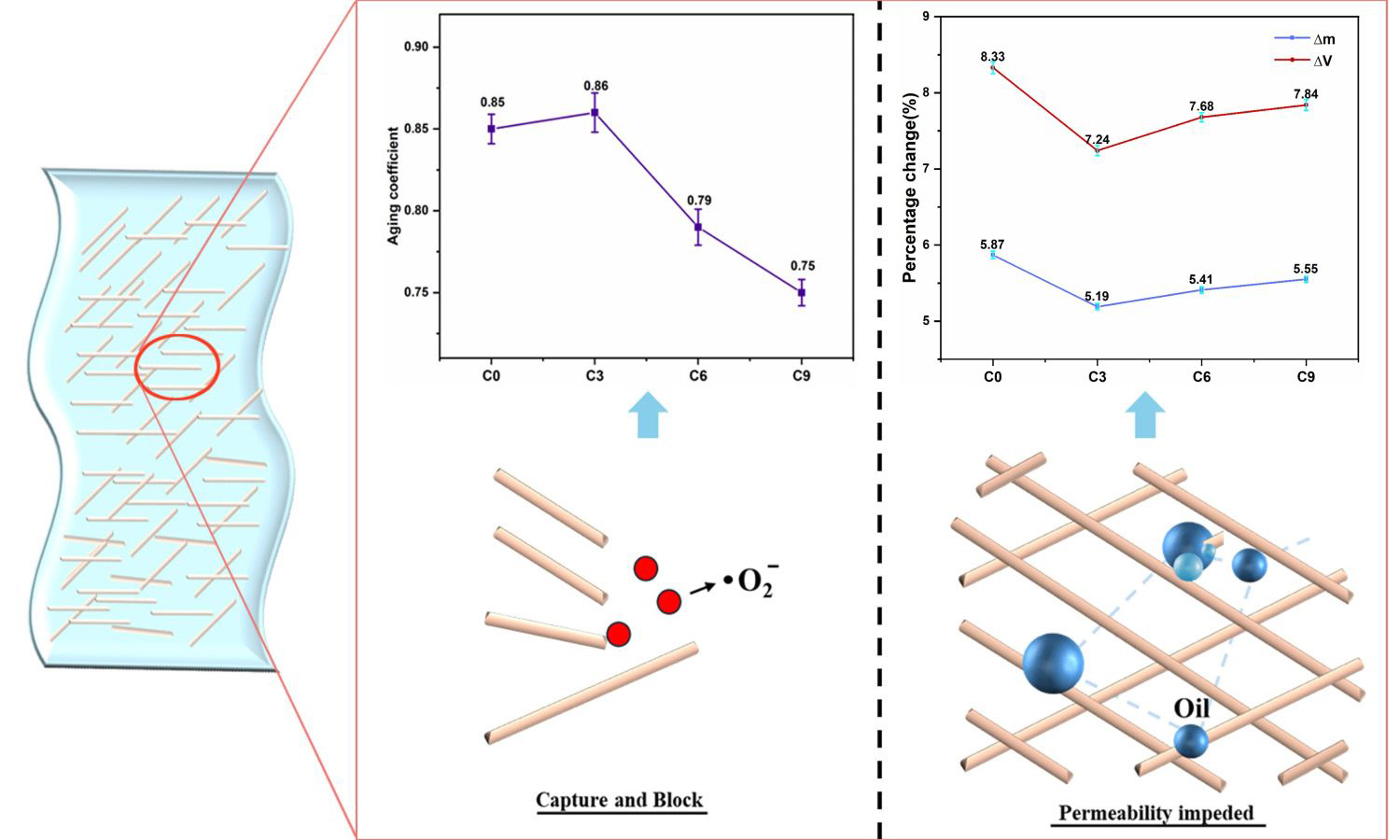
This study investigates the effects of renewable chopped cellulose fiber (CCleF) on the physical and mechanical properties, oil resistance, and thermal-oxidative aging behavior of acrylonitrile-butadiene rubber (NBR), aiming to determine the optimal filler content. CCleF/NBR composites with varying CCleF loadings were prepared and systematically characterized through analyses of vulcanization behavior, three-dimensional morphology, mechanical properties, thermal-oxidative aging, and oil resistance. The results indicate that the composite with 3 phr CCleF exhibits uniform fiber dispersion and optimal overall performance, showing enhanced processability, a reduced vulcanization time, and improved physical and mechanical properties. After thermal-oxygen aging, the composite demonstrated superior stability: the percentage change in tensile modulus, rebound resilience, and DIN abrasion decreased significantly by 13.73, 49.82, and 74.9%, respectively, while the aging coefficient reached 0.86. Notably, this composite also exhibited excellent oil resistance, with a volume expansion rate of 7.24%, which is 13.1% lower than that of unfilled NBR. Correspondingly, the tensile product’s retention rate decreased by 37.72%, while rebound resilience and abrasion resistance improved. This study demonstrates that incorporating 3 phr CCleF is a practical approach to achieving high-performance NBR, providing a material basis for its use in demanding environments such as the petrochemical industry.
Joanna Szymańska, Wojciech Hubert Bednarek, Beata Strzemiecka, Dominik Paukszta
Vol. 20., No.5., Pages 501-513, 2026
DOI: 10.3144/expresspolymlett.2026.38
Vol. 20., No.5., Pages 501-513, 2026
DOI: 10.3144/expresspolymlett.2026.38
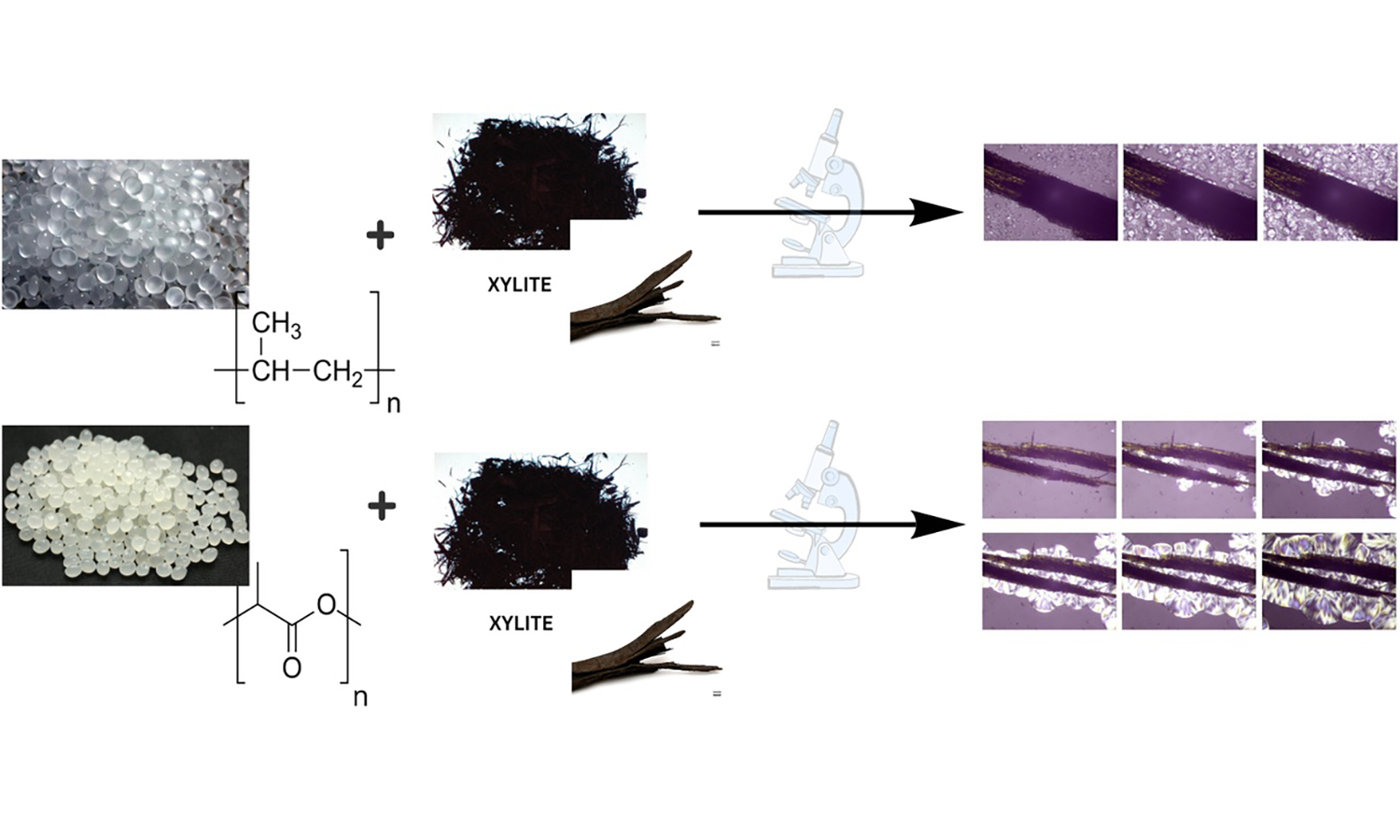
Crystallinity describes the degree of structural order in solids, and in polymers it strongly influences rheological, mechanical, thermal, and optical properties as well as degradation. In this study, we investigate how adding a xylitic brown coal fraction affects the crystallization of polylactide (PLA) and polypropylene (PP) under static and shear conditions. We characterized composites by wide-angle X-ray scattering (WAXS), Fourier transform infrared spectroscopy (FTIR), polarization light microscopy (PLM), scanning electron microscopy (SEM) and scanning electron microscopy with energy-dispersive X-ray spectroscopy (SEM-EDS) to examine both crystallization and filler structure. Results show that the lignocellulosic filler markedly alters crystallization kinetics and supramolecular morphology. In PLA-based composites, a transcrystalline layer (TCL) developed at the interface, modifying crystallization and reducing spherulite formation. In PP, only a weak TCL developed due to limited interfacial compatibility. Under shear, PP displayed the expected acceleration of spherulite growth, while PLA showed competing mechanisms between spherulitic nucleation and TCL formation. These findings highlight the role of natural, hybrid organic–mineral fillers in tailoring polymer crystallization processes and improving composite design.
Using dual-cure architectures in HNBR: A detailed insight into their structure-property relationship
Sharmistha Dhar, Arshad Rahman Parathodika, Dibyendu Dey, Kinsuk Naskar
Vol. 20., No.5., Pages 514-530, 2026
DOI: 10.3144/expresspolymlett.2026.39
Vol. 20., No.5., Pages 514-530, 2026
DOI: 10.3144/expresspolymlett.2026.39
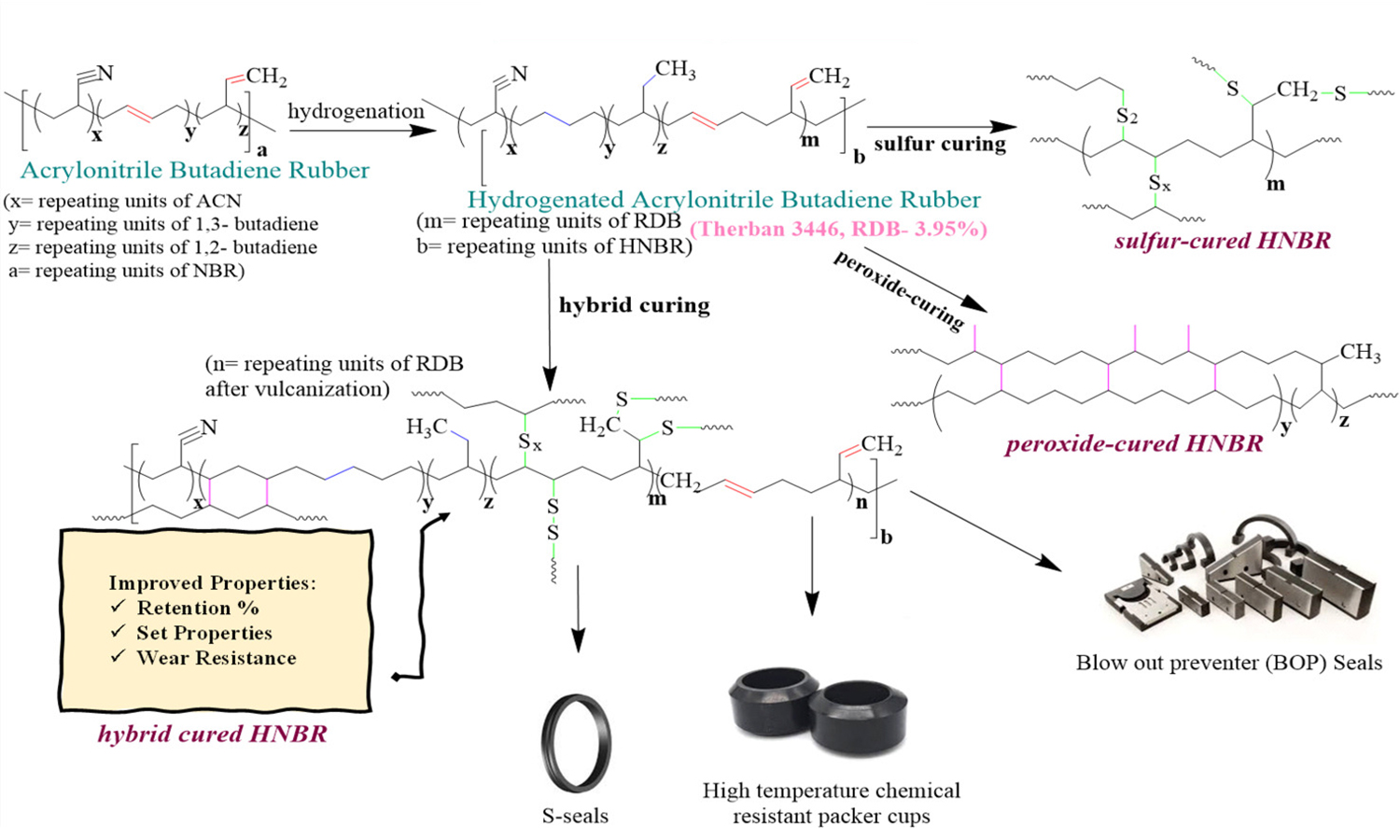
Hydrogenated acrylonitrile–butadiene rubber (HNBR) is widely used in automotive and sealing applications due to its oil resistance and mechanical durability; however, its long-term performance is significantly influenced by the curing chemistry. Sulfur vulcanization offers superior elasticity but restricted thermal stability, while peroxide curing improves heat resistance at the expense of flexibility. In this study, we investigate hybrid sulfur–peroxide curing to integrate these benefits. The hybrid pathway encompasses competitive and sequential processes, such as partial radical quenching and accelerator oxidation, resulting in a dual crosslink network. Dynamic mechanical, thermal, and temperature scanning stress relaxation (TSSR) evaluations demonstrate that hybrid systems provide precise modulation of the operational temperature–frequency range, broaden the glass-transition relaxation, and control stress dissipation. The coexistence of sulfur and C–C crosslinks results in a heterogeneous structure characterized by diverse crosslink densities and bond energies, leading to numerous relaxation modes and an optimal blend of elasticity, strength, and thermal stability. Microscopy confirms the absence of phase separation, indicating that hybrid vulcanization is a viable approach for producing robust, high-performance HNBR elastomers.
Djamel Frihi, Mounir Gaci, Azzeddine Gharsallah, Ali Louaer, Hamid Satha, Abdelheq Layachi
Vol. 20., No.5., Pages 531-546, 2026
DOI: 10.3144/expresspolymlett.2026.40
Vol. 20., No.5., Pages 531-546, 2026
DOI: 10.3144/expresspolymlett.2026.40
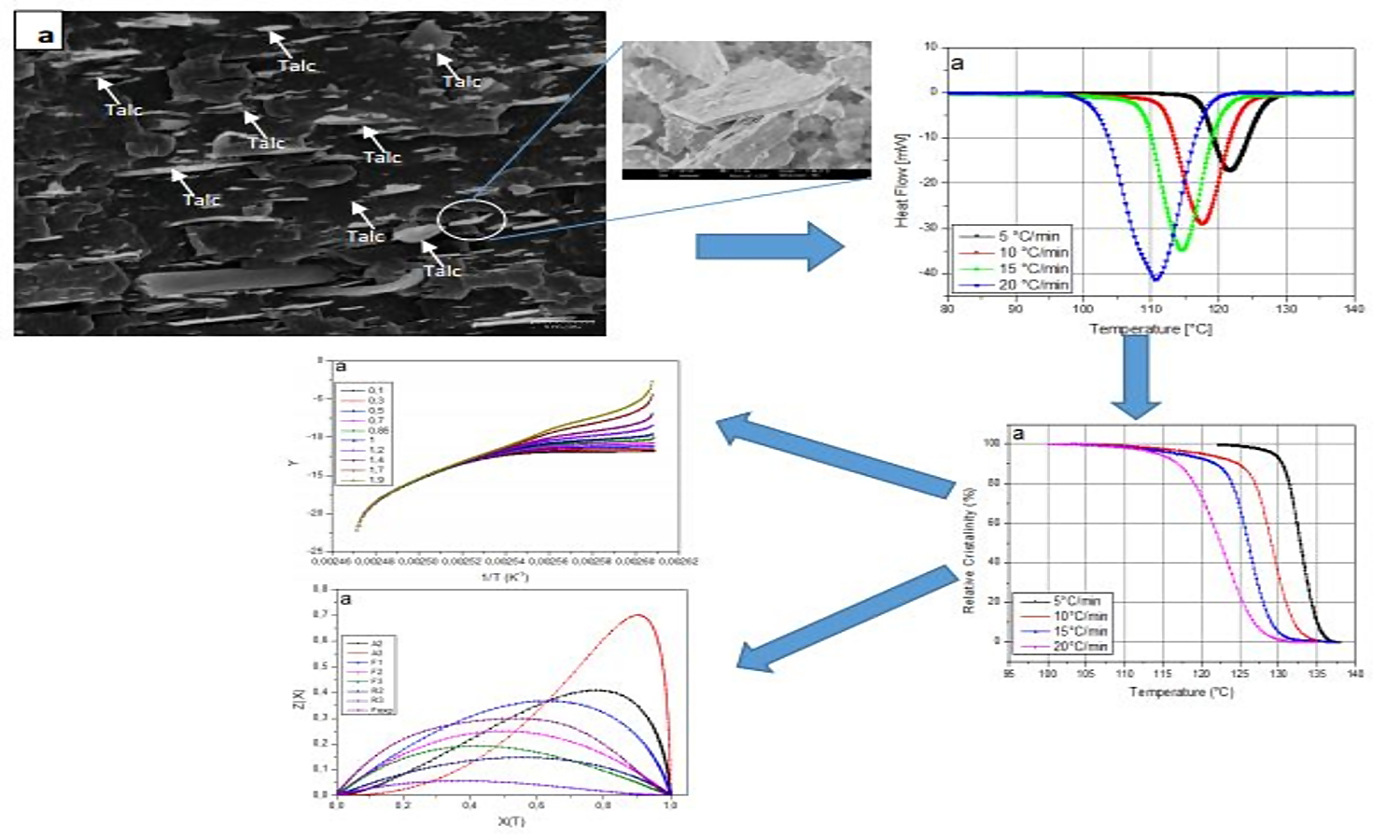
This study investigates the non-isothermal crystallization behavior of isotactic polypropylene (iPP) reinforced with two types of talc fillers: micrometric talc (μ-talc) and standard talc (S-talc). Composites containing 20 wt% filler were analyzed using differential scanning calorimetry (DSC), wide-angle X-ray scattering (WAXS), and scanning electron microscopy (SEM). Non-isothermal crystallization at cooling rates β = 5–20°C/min was evaluated using the Ozawa, Kissinger, Coats-Redfern, and Criado methods. Both μ-talc and S-talc act as efficient nucleating agents compared with neat iPP, but they operate through distinct mechanisms. μ-talc, owing to its finer particle size and higher surface area, increases the number of nucleation sites, thereby reducing the half-crystallization time (t1/2) and accelerating the crystallization kinetics. By contrast, S-talc, despite its lower surface area, enhances crystallization by virtue of its lamellar morphology, which promotes selective chain orientation, raises the crystallization temperature (Tc), and stabilizes secondary crystallization. Kinetic analysis confirmed this distinction: the activation energy (Ea) increased from neat iPP (≈185 kJ/mol) to μ-talc/iPP (≈215 kJ/mol) and further to S-talc/iPP (≈274 kJ/mol). The Coats-Redfern and Criado analyses consistently identified a second-order (F2) mechanism for the S-talc composites across all cooling rates, underscoring their stabilizing role in crystallization.