
Content
All issues / Volume 20 (2026) / Issue 10 (October)
Song Wu, Jiaye Li, Shipeng Wen
Vol. 20., No.10., Pages 971-973, 2026
DOI: 10.3144/expresspolymlett.2026.71
Vol. 20., No.10., Pages 971-973, 2026
DOI: 10.3144/expresspolymlett.2026.71
This is an editorial article. It has no abstract.
Viswanath Aditham, Alfred James, Yanika Schneider, Sohail Zaidi, Vimal K. Viswanathan
Vol. 20., No.10., Pages 974-989, 2026
DOI: 10.3144/expresspolymlett.2026.72
Vol. 20., No.10., Pages 974-989, 2026
DOI: 10.3144/expresspolymlett.2026.72
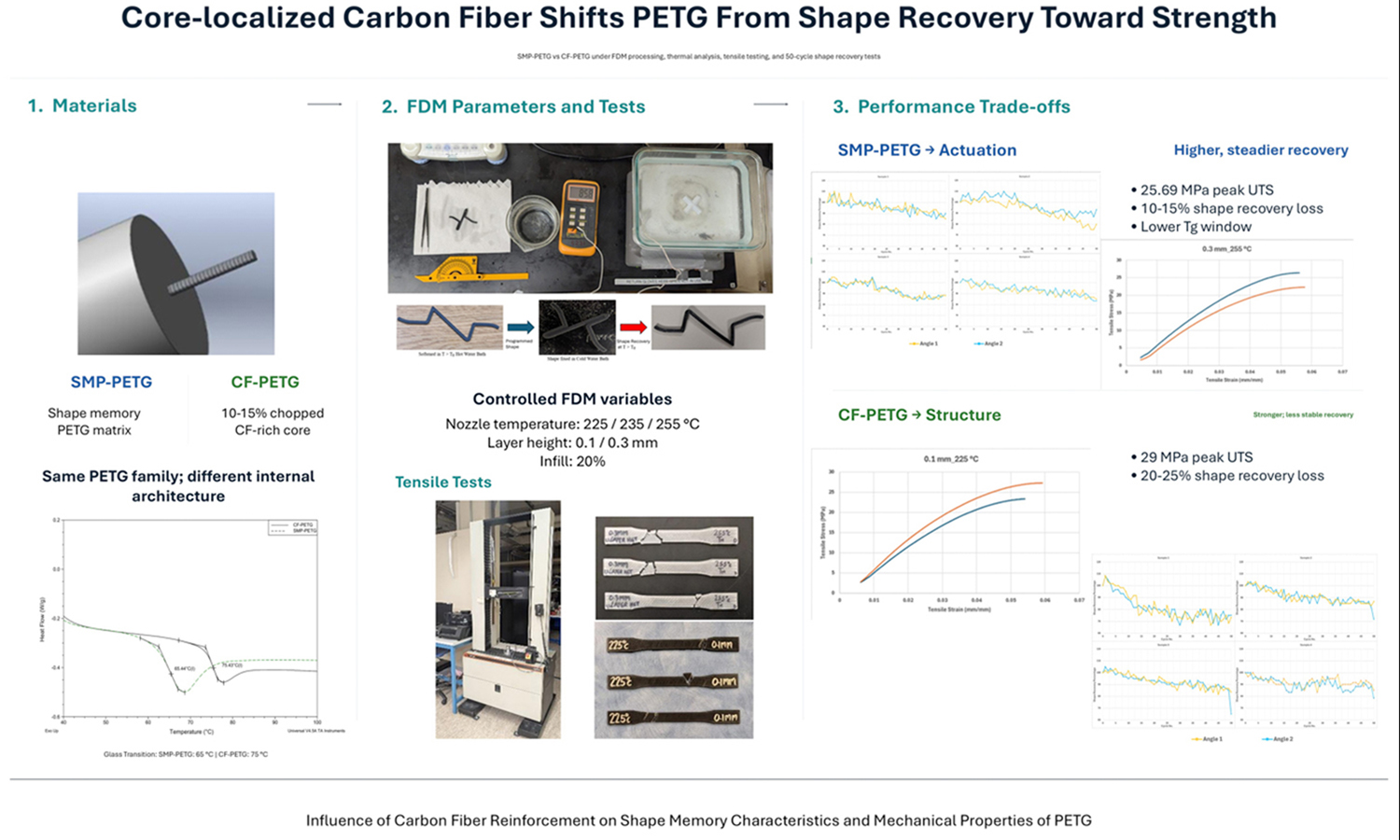
Four-dimensional (4D) printing enables additively manufactured components to undergo programmed shape change, yet applications remain limited by the trade-off between shape-memory behavior and mechanical strength. In the study, we compare shape-memory PETG (SMP-PETG) and carbon fiber–reinforced PETG (CF-PETG), the latter containing a manufacturer- reported 10–15% chopped carbon fiber region localized within the filament core. We fabricated specimens by fused deposition modeling (FDM) using different nozzle temperatures and layer heights, and performed tensile, thermal and cyclic shape recovery tests to establish structure–property–function relationships within the PETG family. DSC showed predominantly amorphous behavior in CF-PETG, whereas SMP-PETG exhibited cold crystallization and melting features consistent with a crystallizable fraction in that commercial formulation. CF-PETG also showed a higher glass transition temperature than SMPPETG, indicating different thermal activation windows for the two materials. SMP-PETG exhibited ductile tensile behavior, with a peak strength of 25.69 MPa at 255°C and a layer height of 0.3 mm, and retained more stable shape recovery, with about 10–15% degradation over 50 cycles. In contrast, CF-PETG showed a steeper tensile response and higher strength, approaching 29 MPa, but less stable recovery, with losses of about 20–25% over the same cycle range. These findings characterize the combined effects of commercial formulation, reinforcement and processing; isolating the specific influence of core-localized reinforcement architecture will require comparisons with compositionally matched neat PETG and uniformly reinforced CF-PETG.
Karthikeyan Sowmiyadevi, Dhesingh Ravi Shankaran
Vol. 20., No.10., Pages 990-1004, 2026
DOI: 10.3144/expresspolymlett.2026.73
Vol. 20., No.10., Pages 990-1004, 2026
DOI: 10.3144/expresspolymlett.2026.73
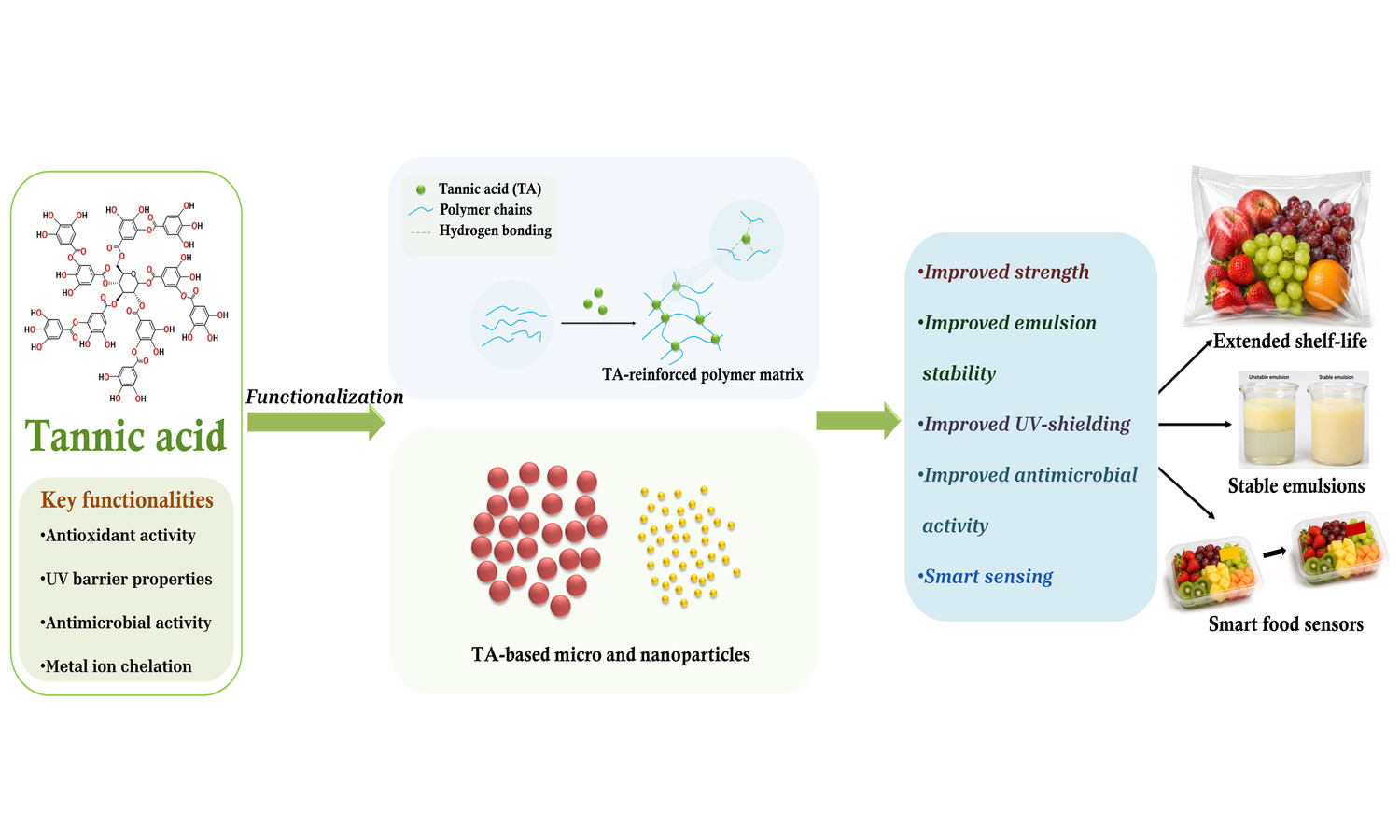
Polyphenols represent a highly abundant group of plant-derived natural compounds, characterized by remarkable structural diversity and potent antioxidant activity. Based on their chemical structures, polyphenols are broadly categorized into flavonoids, phenolic acids, stilbenes, tannins and lignans. Among these polyphenolic groups, tannins stand out for their large and complex polyphenolic frameworks and strong metal-chelating abilities. Tannic acid, a well-known hydrolyzable tannin, is one of the most extensively utilized polyphenols because of its dense phenolic composition, strong metal-chelating ability and capacity to form diverse non-covalent interactions. This review highlights recent advancements and applications of tannic acid-based micro- and nano-formulations, with particular emphasis on their roles in emulsion stabilization, enhancement of UV-barrier properties and food safety sensor applications.
László József Varga, Tamás Bárány
Vol. 20., No.10., Pages 1005-1016, 2026
DOI: 10.3144/expresspolymlett.2026.74
Vol. 20., No.10., Pages 1005-1016, 2026
DOI: 10.3144/expresspolymlett.2026.74
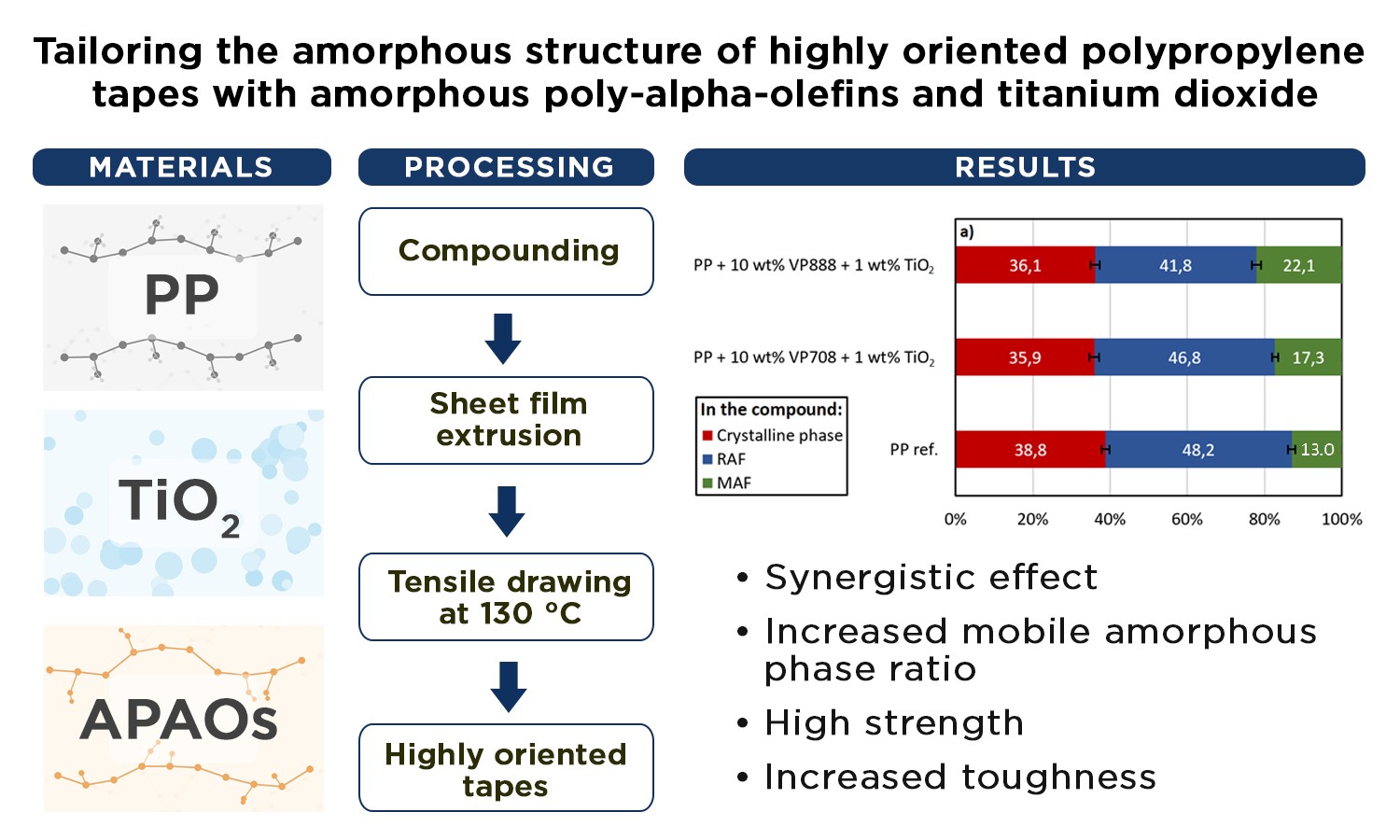
Highly oriented polypropylene tapes exhibit excellent strength and stiffness but limited ductility. In this study, we investigated the individual and combined effects of two amorphous poly-alpha-olefins (APAOs) and titanium dioxide (TiO2) on the structure and mechanical properties of drawn polypropylene tapes. Both APAOs reduced the specific work of drawing, while TiO2 increased tensile strength and strain at break without reducing stiffness. The combined modifications produced the greatest improvement in ductility, particularly with the APAO containing a minor crystalline fraction and TiO2, which increased tensile strength from 343 to 388 MPa and strain at break from 12.4 to 32.3%. X-ray diffraction revealed similarly high crystalline orientation for all compositions. Modulated differential scanning calorimetry after a standardized thermal cycle revealed an increased mobile amorphous fraction and a reduced rigid amorphous fraction, suggesting that changes in amorphous-phase constraints contribute to the improved deformability. These results demonstrate that complementary tailoring of the amorphous phase can substantially improve the strength–ductility balance of highly oriented polypropylene tapes.
Sofiane Bensadi, Mourad Amara, Omar Arous, Yassine Berbar, Fairouz Saad Saoud
Vol. 20., No.10., Pages 1017-1033, 2026
DOI: 10.3144/expresspolymlett.2026.75
Vol. 20., No.10., Pages 1017-1033, 2026
DOI: 10.3144/expresspolymlett.2026.75
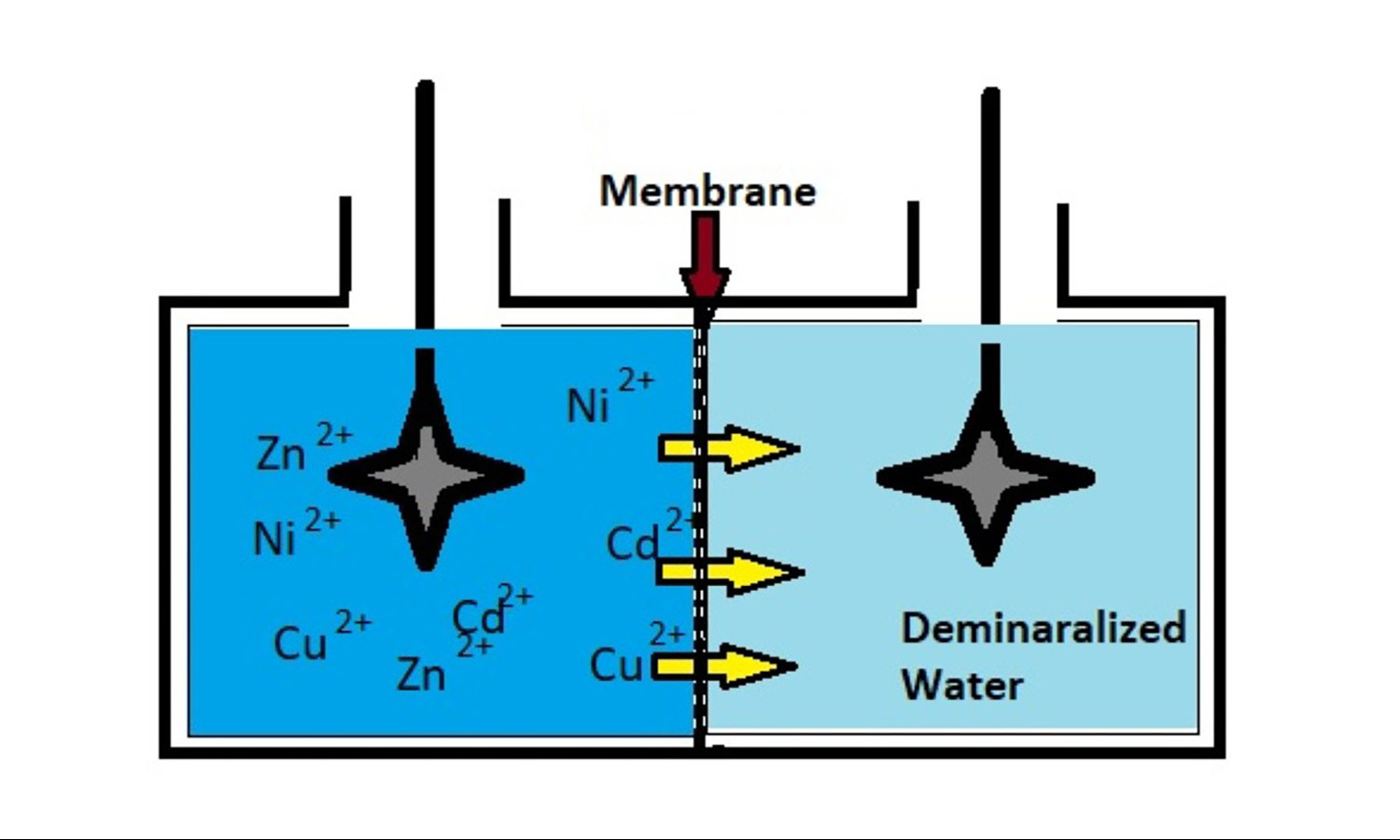
To prepare high-performance dialysis membranes, we investigated the effect of polyvinylpyrrolidone (PVP), polyethylene glycol (PEG), and also the simultaneous effect of both additives in cellulose triacetate (CTA) membranes. In this study, we investigate the transfer and fixation phenomena of Cu2+, Ni2+, Cd2+ and Zn2+ ions into dialysis membranes. We prepared three CTA-based membranes with different concentrations of the [PVP/(PVP+PEG)] ratio, and evaluated the impact of this ratio on membrane performance by dialysis with cationic solutions. All the membranes were characterized by Fouriertransform infrared spectroscopy (FTIR), thermogravimetric analyses (TGA) and scanning electron microscopy (SEM). The membrane with a higher [PVP/(PVP+PEG)] ratio exhibited superior transfer efficiency compared to the other membranes, 56.11 and 47.87% of Cd2+ and Cu2+, respectively. Significant amounts of metal ions were fixed by the membranes. Cu2+ and Zn2+ ions had fixation rates of 27.54 and 26.45%, respectively, obtained with a [PVP/(PVP+PEG)] ratio of 0.8. To explain the phenomenon of metal ion fixation by membranes, we performed a study of the behaviour of PVP in solutions in the presence of metallic ions using potentiometric methods. We found that interactions can form between PVP and metallic ions present in the solution in an order that follows the sequence: Cu2+ > Zn2+ > Ni2+ > Cd2+.
Gunawan Refiadi, Steven, Riza Wirawan, Hermawan Judawisastra
Vol. 20., No.10., Pages 1034-1052, 2026
DOI: 10.3144/expresspolymlett.2026.76
Vol. 20., No.10., Pages 1034-1052, 2026
DOI: 10.3144/expresspolymlett.2026.76
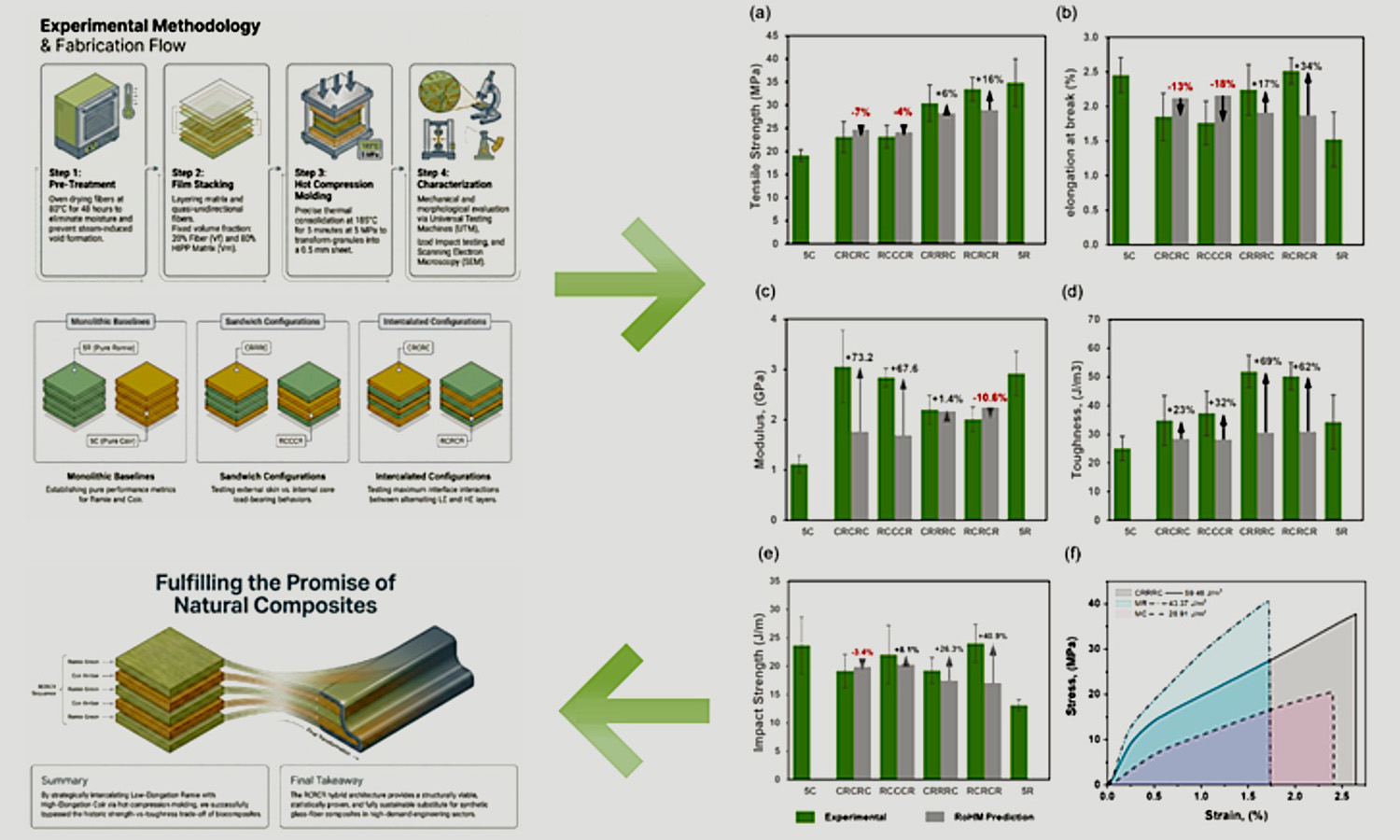
Natural fiber–reinforced thermoplastic composites offer ecological benefits but suffer from low impact resistance. We hybridized an untreated ramie (R)/coir (C) fiber–reinforced high-impact polypropylene matrix using a hot press to enhance toughness and impact strength through the adjustment of hybrid ratios and stacking sequences. The best hybrid architecture is the combination of a higher ratio of ramie-to-coir fibers and LE-intercalate configuration. The RCRCR produced a positive hybrid effect due to the synergistic load transfer between the low- and high-elongation (LE/HE) quasi-unidirectional fiber layers. The respective positive hybrid effect in tensile strength, strain to failure, toughness (for all hybrid configurations) and impact strength of RCRCR are 16, 34, 62 and 41% higher in comparison with the rule of hybrid mixtures (RoHM). These results were also validated by Tukey’s Honestly Significant Difference (HSD). Tukey’s HSD post-hoc analysis statistically validates these homogeneous subsets (p < 0.05). Consequently, tailoring the untreated ramie/coir hybrid architecture provides a balanced mechanical profile engineered for lightweight structural and light energy-absorbing engineering applications.
Elena Pikurova, Anatoly Boyandin, Anna Sukhanova, Eugenia Raldugina, Semyon Fesik, Alexandra Mechenis
Vol. 20., No.10., Pages 1053-1071, 2026
DOI: 10.3144/expresspolymlett.2026.77
Vol. 20., No.10., Pages 1053-1071, 2026
DOI: 10.3144/expresspolymlett.2026.77
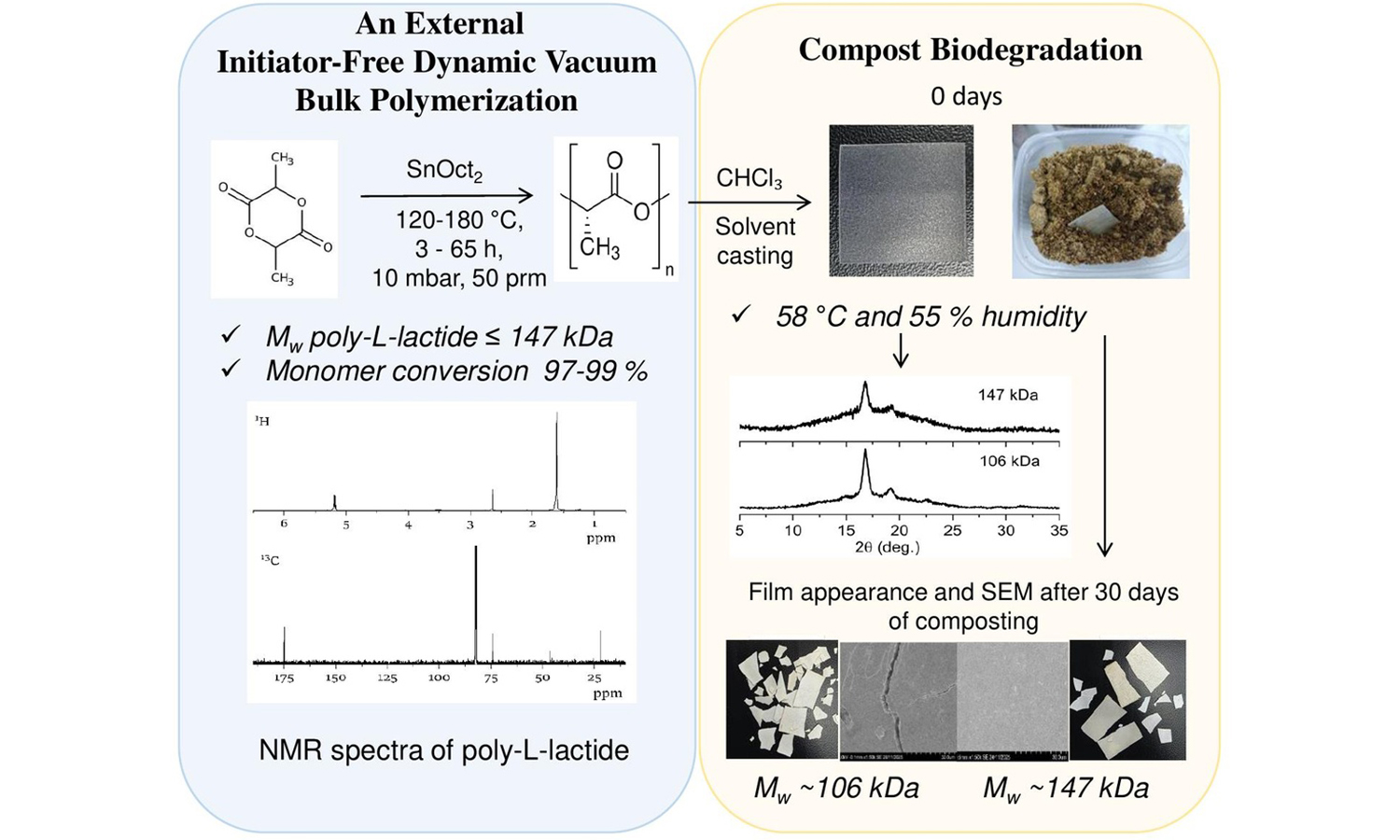
We successfully synthesized poly-L-lactide was via an advanced external initiator-free dynamic vacuum bulk polymerization technique, and achieved precise control of macromolecular weight up to 147 kDa with near-quantitative monomer conversion by varying reaction temperature and duration. Nuclear magnetic resonance spectroscopy confirmed that the stereoregular structure is predominantly preserved during the high-temperature synthesis, while any potential racemization pathways remain beneath the resolution limit of the analytical methods. Thermal analysis verified excellent polymer stability above 300 °C. To evaluate practical applicability, we fabricated solvent-cast films from the synthesized matrices. The tensile test results of the solvent-cast films showed that while the amorphous 147 kDa matrix reached a tensile strength of 28.0 MPa, the structurally optimized 106 kDa film had higher crystallinity (20.6%) and a maximum Young’s modulus of 3047 MPa. Finally, compost biodegradation experiments (58 °C, 55% moisture content) demonstrated that decreasing molecular weight from 147 to 66 kDa accelerates the disintegration rate of films from k = 0.0041 to 0.0083 day–1 due to autocatalytic carboxyl end-groups and defective interspherulitic boundaries.
Khmais Zdiri, Annaëlle Erard, Aurélie Cayla, Fabien Salaun
Vol. 20., No.10., Pages 1072-1088, 2026
DOI: 10.3144/expresspolymlett.2026.78
Vol. 20., No.10., Pages 1072-1088, 2026
DOI: 10.3144/expresspolymlett.2026.78
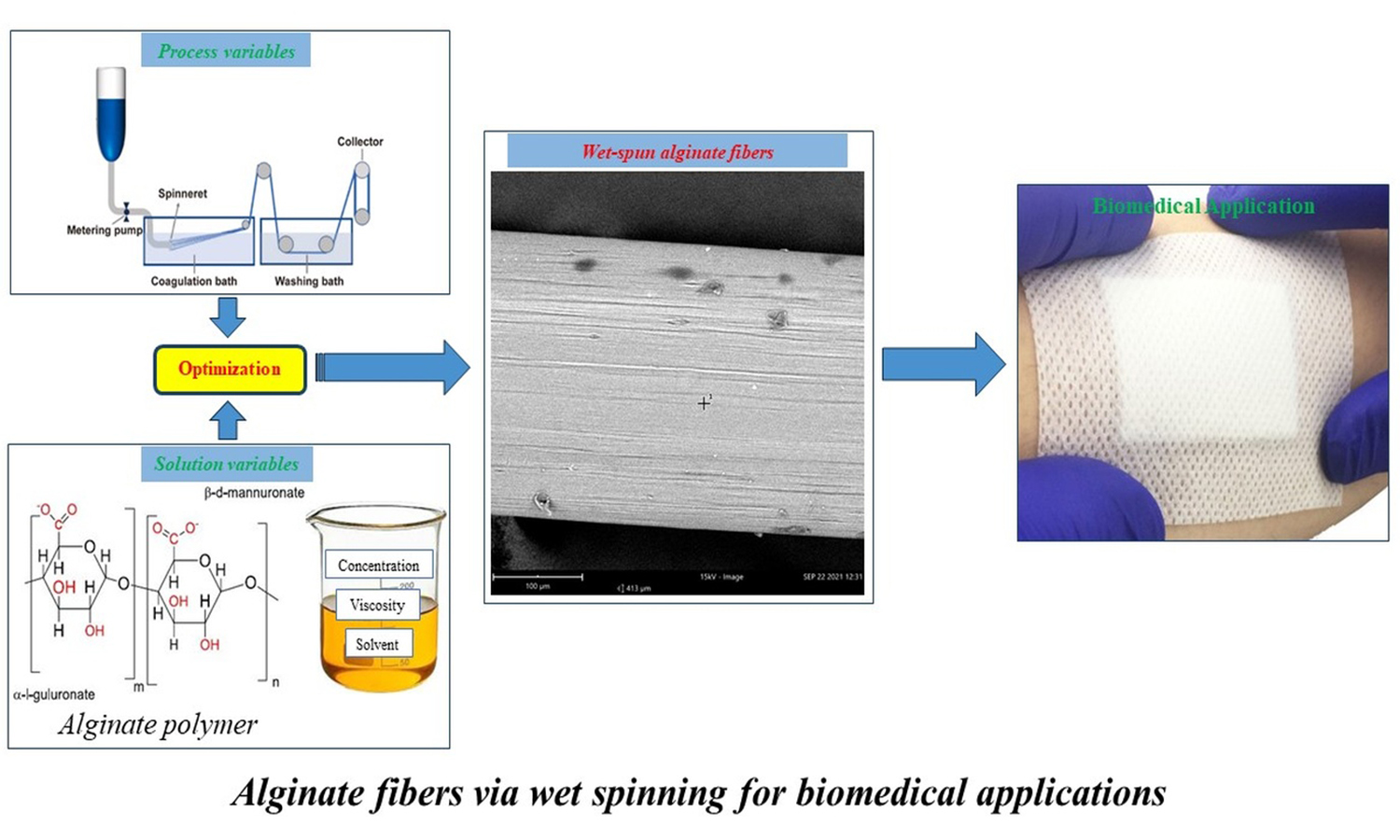
Alginate fibers are attractive for biomedical applications because of their biocompatibility and mild ionic crosslinking. This study investigated the effects of alginate concentration, calcium chloride (CaCl2) concentration, and coagulation time on fiber morphology and mechanical properties. Alginate solutions (6–10 wt%) were wet-spun through a 0.58 mm spinneret into CaCl2 baths (0.5–3 wt%). Rheological analysis showed dominant viscous behavior (G″ > G′), ensuring stable extrusion without premature gelation. Fiber morphology was examined by optical microscopy and scanning electron microscopy, while mechanical properties were evaluated by tensile testing. Among the conditions investigated, 8 wt% alginate, 1 wt% CaCl2, and 5 min coagulation provided smooth and homogeneous fibers with favorable mechanical performance. Higher CaCl2 concentrations or longer coagulation times were associated with more heterogeneous fibrillar structures and, under some conditions, reduced mechanical performance. These results provide insights into process–structure–property relationships in wet-spun alginate fibers and identify favorable processing conditions among those investigated for producing flexible filaments with characteristics of interest for biomedical textile materials, including knitted wound dressings. Biomedical performance and biocompatibility were not evaluated in the present study.
Antônio Schandler Ferri, Maria Eduarda Araújo Ribeiro, Marina Rangel Ferro Pereira, Fabrício Moreira Almeida, Theresa de Moura Monteiro, Fernanda Antunes, Jose Gregório Cabrera Gomez, Ruben J. Sanchez Rodriguez
Vol. 20., No.10., Pages 1089-1103, 2026
DOI: 10.3144/expresspolymlett.2026.79
Vol. 20., No.10., Pages 1089-1103, 2026
DOI: 10.3144/expresspolymlett.2026.79
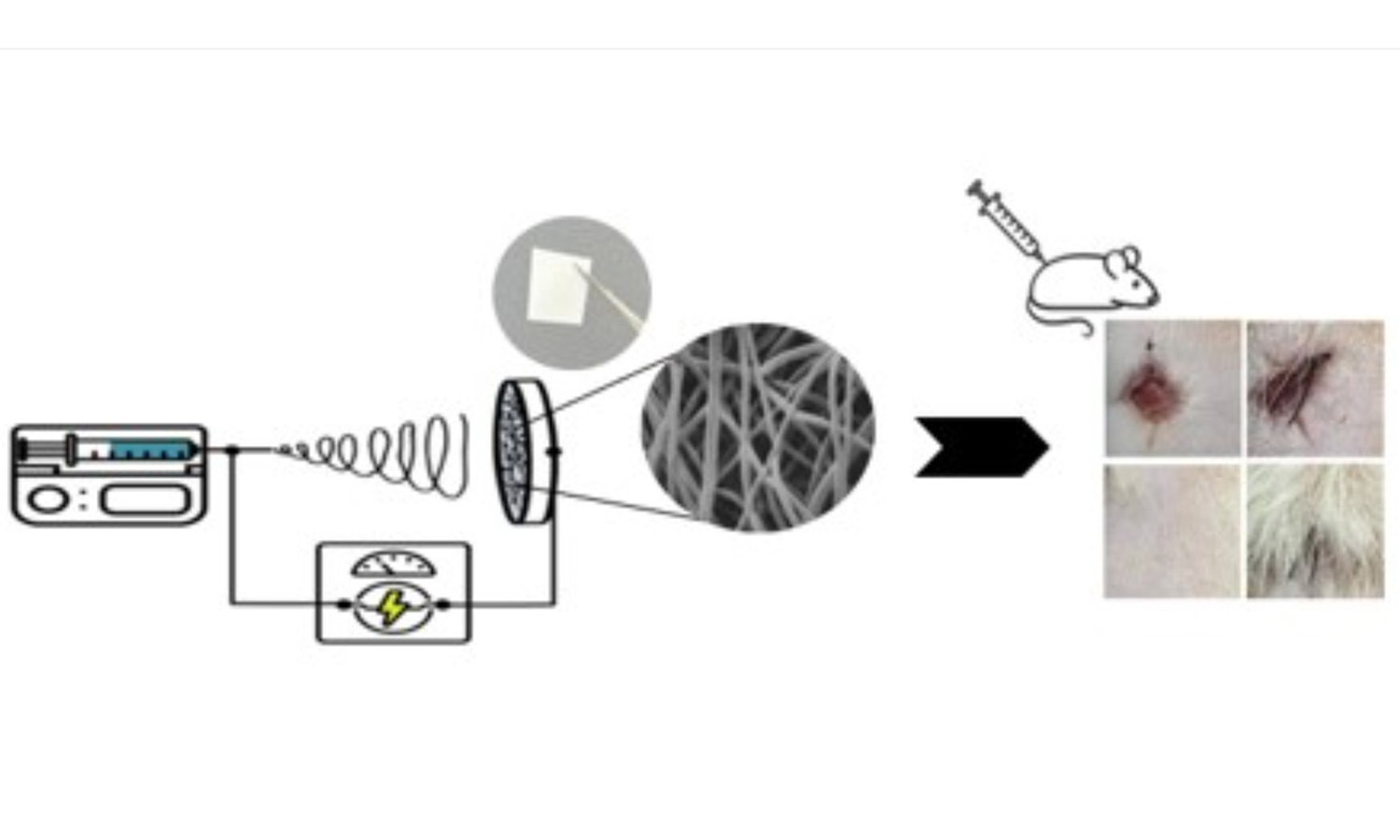
Conventional wound dressings, such as gauze, primarily act as physical barriers and provide limited support for tissue regeneration. In this study, electrospun poly(3-hydroxybutyrate-co-3-hydroxyhexanoate) (P(3HB-co-3HHx)) membranes were developed as multifunctional wound dressings combining a biomimetic fibrous structure with localized antibiotic delivery. Pristine and ceftriaxone (CFX)-loaded membranes were fabricated by electrospinning (15 kV, 1 mL/h, 20 cm, 6 h), yielding membranes approximately 300 μm thick. SEM revealed an interconnected fibrous architecture resembling the skin extracellular matrix, with mean fiber diameters of 1.38 ± 0.48 and 1.45 ± 0.57 μm for pristine and CFX-loaded membranes, respectively. Both membranes exhibited suitable wettability, water vapor transmission, and water sorption, while CFX incorporation reduced the water contact angle by approximately 17°, producing a less hydrophobic surface. CFX localization on the fiber surface resulted in an initial burst release, followed by diffusion-controlled release over 120 h. The membranes showed favorable in vitro and in vivo biological performance, with no cytotoxic effects and enhanced wound closure compared with commercial dressings. Overall, P(3HB-co-3HHx)/CFX membranes show potential as bioactive wound dressings combining extracellular-matrix-like architecture and localized antibiotic delivery.