
A comprehensive investigation of recycling-induced structure–property changes in biodegradable PLA and PBS MWCNT nanocomposites
Kashif Ullah Khan, Ferenc Ronkay, Attila Bata, Andrea Ádámné Major
Vol. 20., No.11., Pages 1207-1227, 2026
DOI: 10.3144/expresspolymlett.2026.87
DOI: 10.3144/expresspolymlett.2026.87
Corresponding author: Attila Bata 
GRAPHICAL ABSTRACT
ABSTRACT
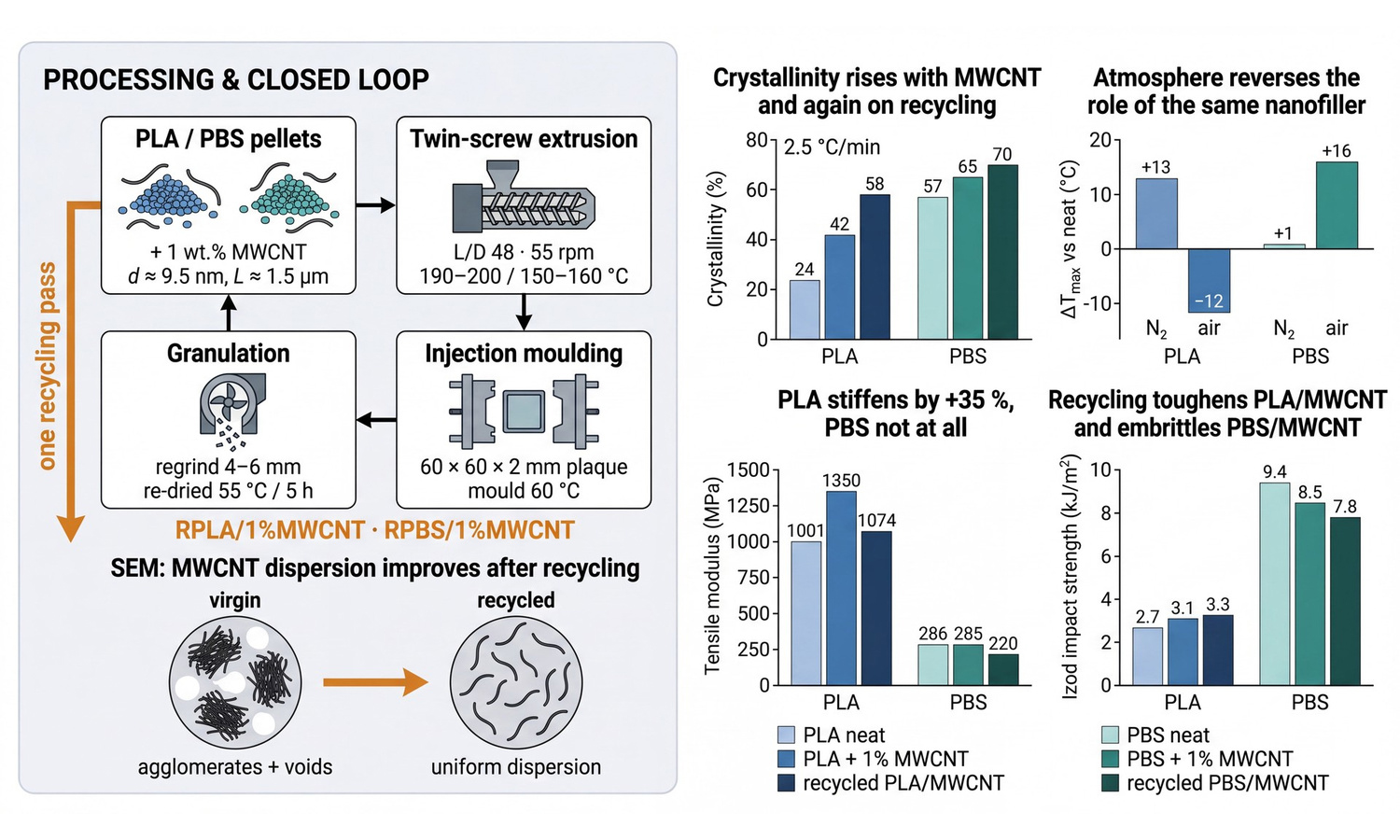
In this study, we compare the effects of 1 wt% multi-walled carbon nanotubes (MWCNTs) and one mechanical recycling pass on the crystallization, thermal stability, melt rheology and mechanical properties of poly(lactic acid) (PLA) and poly(butylene succinate) (PBS). At a cooling rate of 2.5 °C/min, MWCNT increased crystallinity from 24 to 44% in PLA and from 57 to 65% in PBS; recycling increased it further to 58 and 70%, respectively. In nitrogen, MWCNT increased PLA T50 from 344.4 to 356.0 °C, but in air, it reduced T50 from 364.3 to 347.0 °C. In contrast, PBS gained 13–18 °C in oxidative stability. Recycling reduced the apparent zero-shear viscosity from 2880 to 1360 Pa・s for PLA/MWCNT and from 1580 to 1020 Pa・s for PBS/MWCNT, while melt flow rate increased from 31.8 to 43.8 and from 10.8 to 16.2 g/10 min, respectively. MWCNT increased the tensile and flexural moduli of PLA by 35 and 14%, but did not stiffen PBS. Recycling reduced these moduli by 16–20% in PLA/MWCNT and 19–23% in PBS/MWCNT. The elongation at break of PBS increased from 43.4 to 67.2% after the addition of MWCNTs and remained 57.8% after recycling, whereas recycled PLA/MWCNT reached an elongation at break of 8.9%. Scanning electron microscopy (SEM) indicated more homogeneous nanotube dispersion after recycling. These results reveal contrasting matrix-dependent responses to the incorporation of MWCNTs and reprocessing.
RELATED ARTICLES
Nguyen Chi Thanh, Huynh Hoang Trung, Bui Phuong Dong, Nguyen Thanh Huy, Nguyen Bui Anh Duy, Pham Nguyen Hong Nhu, Dang To Hoai Vy
Vol. 20., No.5., Pages 437-453, 2026
DOI: 10.3144/expresspolymlett.2026.34
Vol. 20., No.5., Pages 437-453, 2026
DOI: 10.3144/expresspolymlett.2026.34
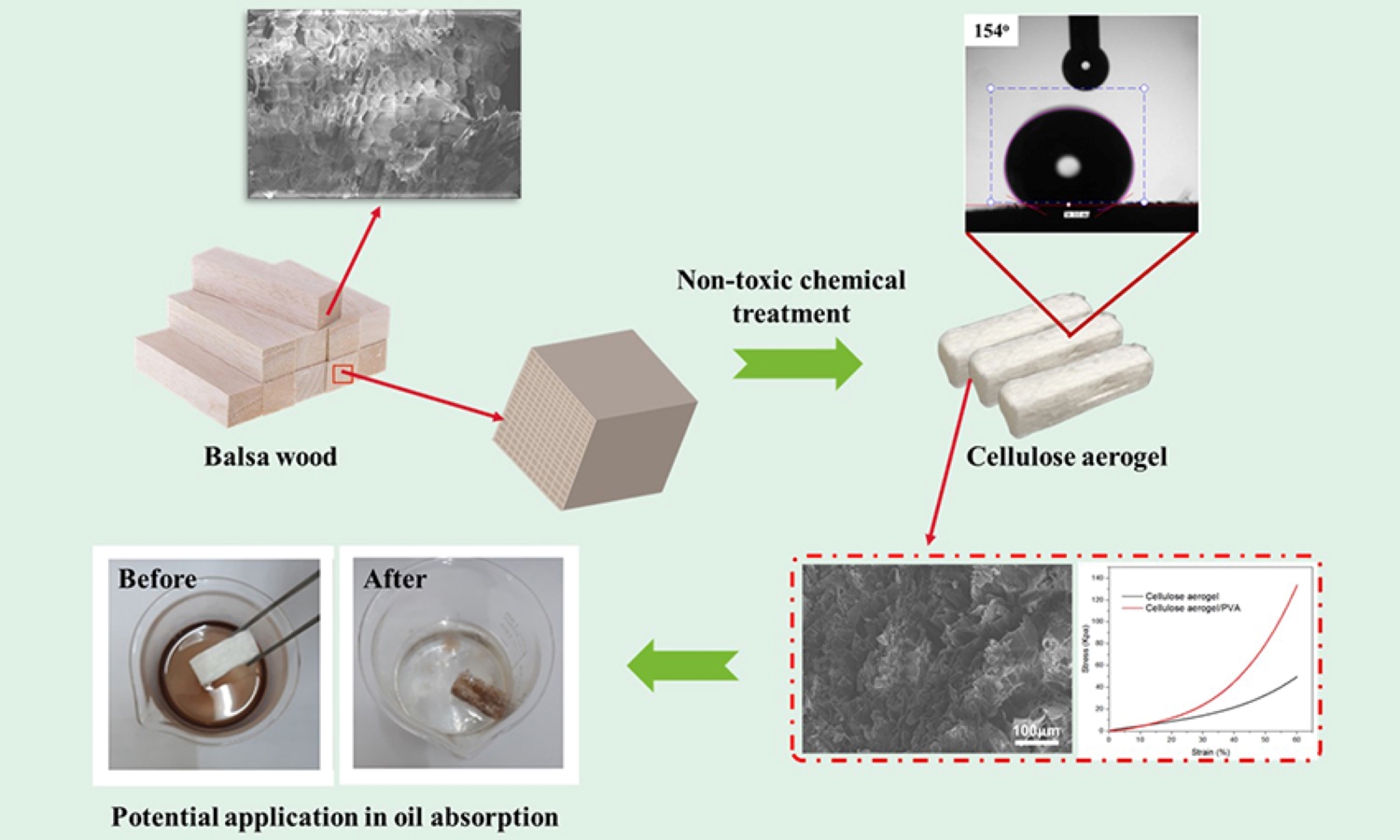
In this work, oil-absorbing cellulose aerogel was fabricated from balsa wood waste, aiming to enhance the valueadded utilization of biomass waste. Cellulose was extracted using a simple treatment and subsequently formed into aerogel through a freeze-drying process. The material was reinforced with polyvinyl alcohol (PVA) and modified using a polydimethylsiloxane/n-hexane system to improve mechanical strength and hydrophobicity. Fourier transform infrared (FTIR) spectroscopy and X-ray diffraction (XRD) results confirmed effective removal of hemicellulose and lignin, resulting in a crystallinity index of 82.18%. The obtained materials exhibited a porous structure with a specific surface area of 15.28 m2/g and a pore volume of 0.034 cm3/g, as determined by Brunauer–Emmett–Teller (BET) analysis. Mechanical testing demonstrated that PVA reinforcement significantly enhanced the compressive strength compared to non-reinforced materials. Contact angle result revealed pronounced hydrophobicity of modified aerogel, with water contact angles ranging from 150° to 154° after modification. Oil absorption tests showed that the aerogel achieved a high oil uptake capacity of 1.67±0.26 g/g. Owing to its reasonable oil absorption performance, enhanced mechanical properties, and inherent biodegradability, this aerogel exhibits strong potential as an environmentally friendly sorbent for oil spill remediation and sustainable utilization of balsa wood waste.
Xuecheng Lu, Ke Feng, Zhiqiang Zhang, Xuyan Lü, Yujie Xiao, Haijun Wang
Vol. 20., No.4., Pages 371-382, 2026
DOI: 10.3144/expresspolymlett.2026.29
Vol. 20., No.4., Pages 371-382, 2026
DOI: 10.3144/expresspolymlett.2026.29
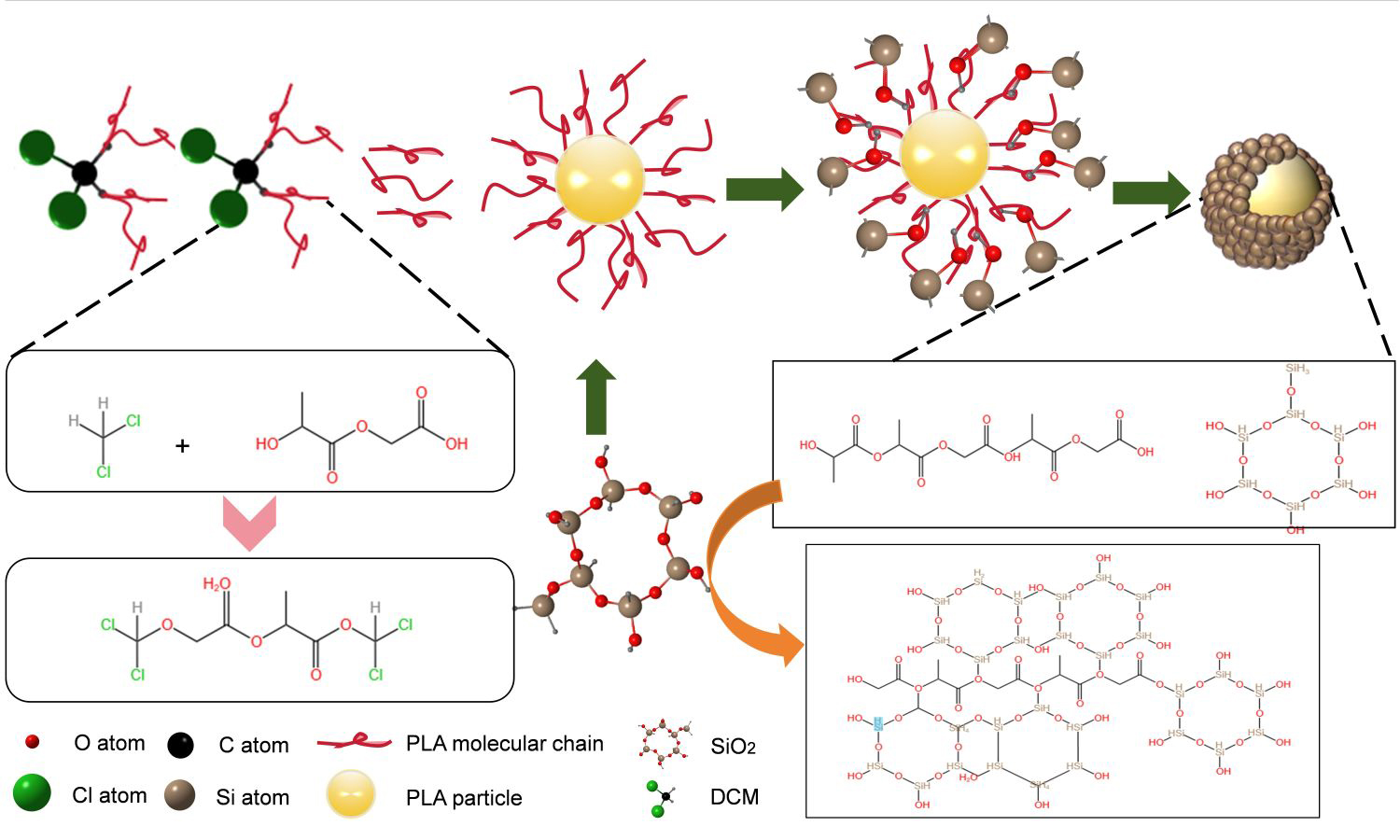
To improve the toughness, thermal stability, and melt processability of polylactic acid (PLA), this study introduced chlorinated polyethylene-polyethylene glycol (CPE-PEG, 10 wt%) into the PLA matrix and investigated the effect of the content of nano-SiO2 surface-modified with the silane coupling agent KH570 (K-SiO2) on the composite properties. Composite filaments were prepared via single-screw extrusion, and standard specimens were printed using fused deposition modeling (FDM) technology. Comprehensive characterization indicated that the composite achieved optimal mechanical properties at a K-SiO2 content of 1.5 wt%; simultaneously, the material’s thermal stability and crystallization behavior were optimized. Rheological behavior demonstrated that K-SiO2 could regulate the melt viscoelasticity, broadening the FDM processing window. This study provides an effective strategy for developing high-performance PLA composites for FDM printing.
Evangelia Balla, Panagiotis Klonos, Apostolos Kyritsis, Dimitrios Bikiaris
Vol. 20., No.2., Pages 154-167, 2026
DOI: 10.3144/expresspolymlett.2026.13
Vol. 20., No.2., Pages 154-167, 2026
DOI: 10.3144/expresspolymlett.2026.13
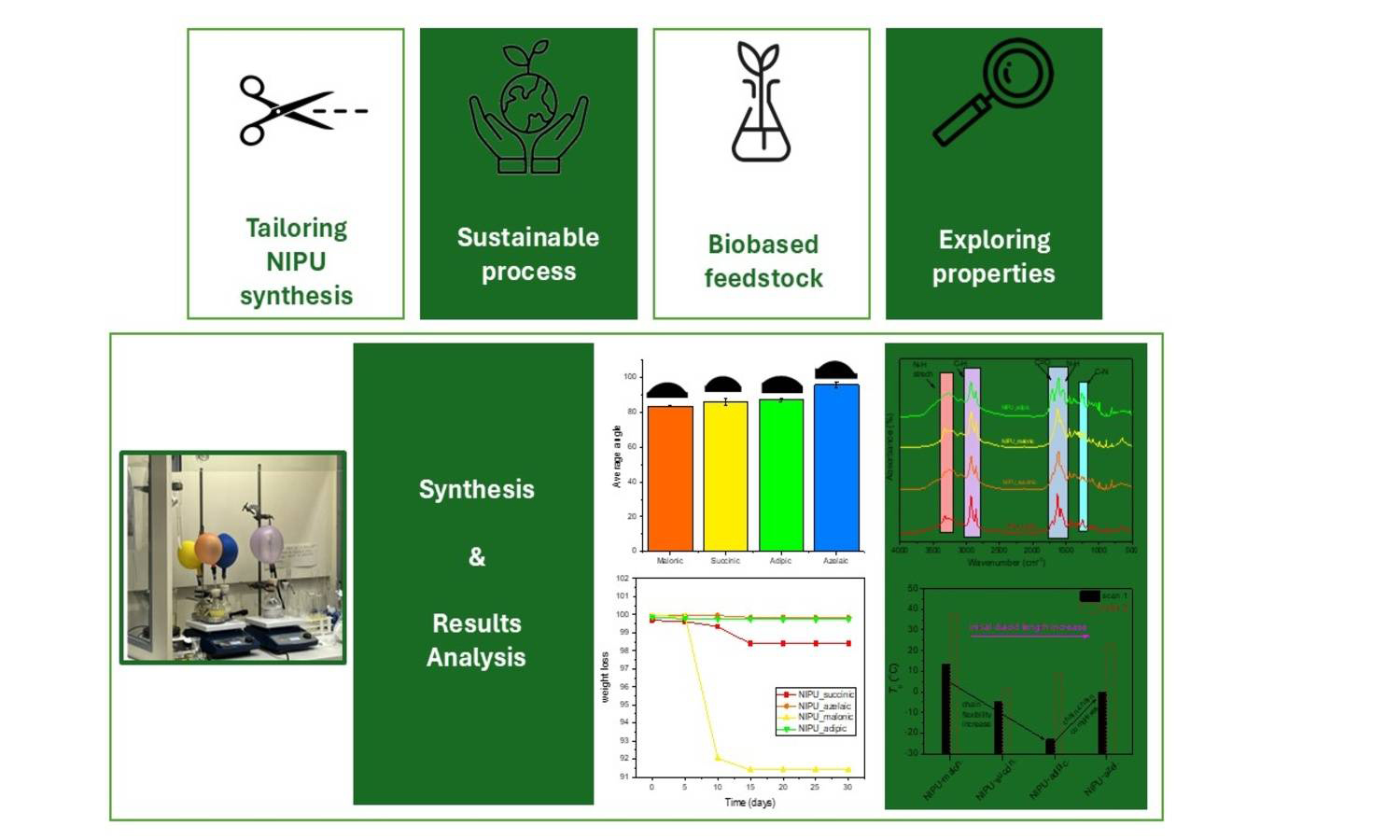
In recent decades, numerous efforts have been dedicated to the investigation of eco-friendly non-isocyanate polyurethanes (NIPUs) as alternatives to conventional polyurethanes (PUs). Since isocyanates are classified by the EU as hazardous and toxic compounds, NIPUs offer a promising route to mitigate isocyanate-related health risks as well as other environmental concerns associated with traditional PU synthesis. In the present study, we report the synthesis as well as the detailed structural and thermal characterization of a new series of fully biobased non-isocyanate polyurethanes (NIPUs) based on aliphatic dicarboxylic acids of different chain lengths. The NIPUs were prepared via a two-step polyaddition reaction involving glycerol carbonate and diamine. Their synthesis enables a sustainable pathway to tailor NIPUs’ physicochemical properties via diacid structure control. Studies of their structure, thermal behavior and trends, morphological, and hydrolytic findings confirmed strong diacid chain length dependence on glass transition temperature (Tg ~13, 0, ‒5 and –23 °C), molecular weight, surface wettability, and enzymatic degradability. Short-chain diacids yielded NIPUs with rapid hydrolytic degradation, while their longer-chain analogs were hydrophobic and thermally stable. Contact angle measurements (~75–85°) also confirm these trends. The tunable properties position these materials among strong candidates for biomedical applications.
Isabel Milagros Gavilan-Figari
Vol. 20., No.1., Pages 72-81, 2026
DOI: 10.3144/expresspolymlett.2026.6
Vol. 20., No.1., Pages 72-81, 2026
DOI: 10.3144/expresspolymlett.2026.6
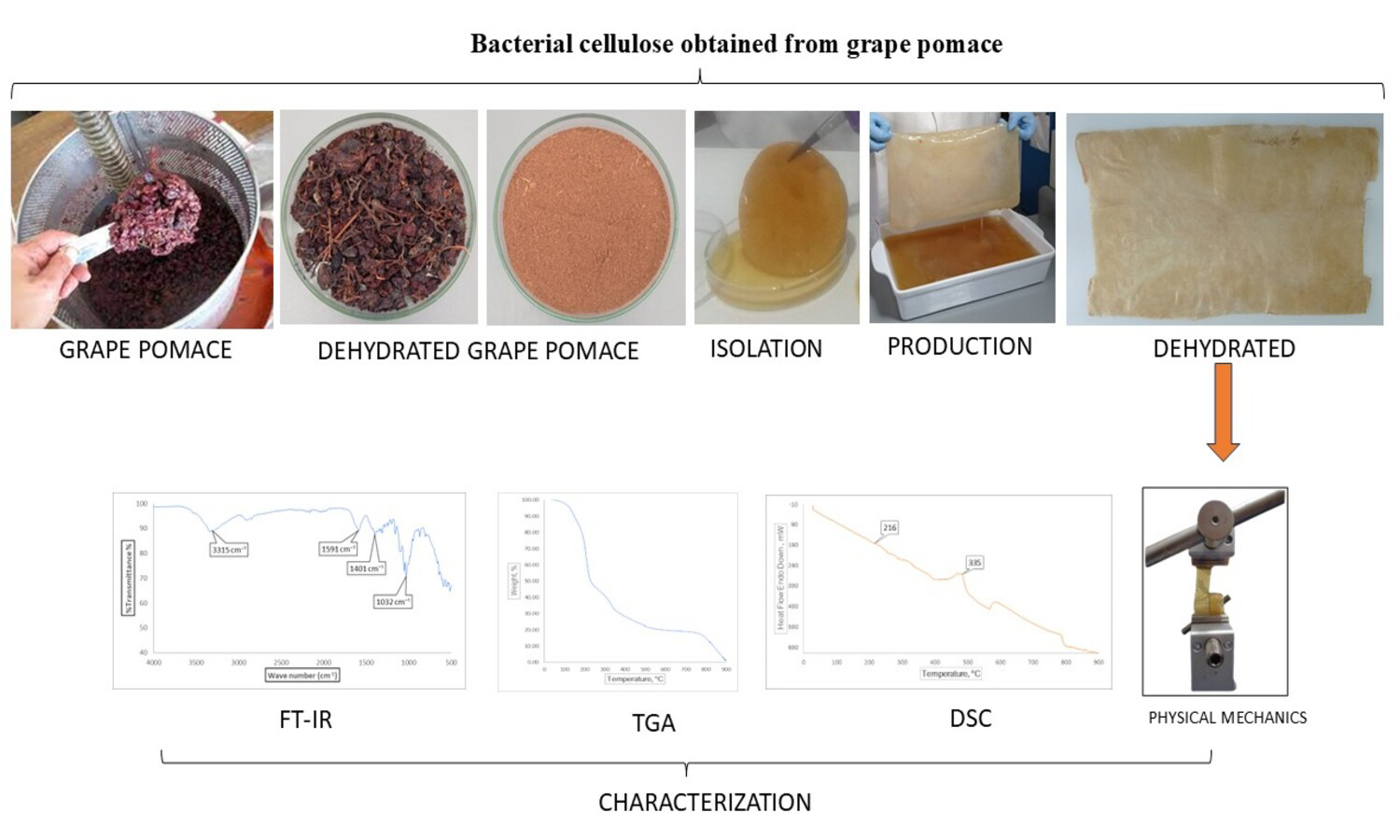
Bacterial cellulose (BC) is an eco-friendly biopolymer with outstanding structural and functional properties, offering promising applications in sustainable packaging and bio-based materials. In this study, we demonstrate the feasibility of producing BC via spontaneous fermentation, using grape pomace supplemented with sucrose as the sole carbon source, nutrient substrate, and microbial inoculum, without the addition of commercial strains or nitrogen supplements. Fermentation was conducted under static conditions, yielding biofilms with stable structural characteristics and BC production of up to 14.1 g/L, thereby confirming the efficiency of this low-cost, residue-based process. The films obtained exhibited well-organized polymeric networks, with thermal stability in the range of Tg ≈ 159–266 °C and mechanical resistance comparable to or higher than conventional biopolymers. Characterization confirmed reproducible chemical profiles, thermal stability, and measurable variation in mechanical performance, with a tensile strength ranging from 0.0001 to 105 MPa and an elongation at break of 15±5%. The process highlights a resource-efficient and sustainable pathway, adaptable to rural contexts and aligned with circular economic principles. While minor variations among replicates reflected the intrinsic variability of biological systems, mean values and standard deviations demonstrated reproducible physicochemical and mechanical properties. These findings demonstrate that BC derived from agro-industrial residues can be produced under simple, low-input conditions, opening opportunities for scalable valorization in functional and sustainable materials.
Qingsheng Liu, Yiqiang Yao, Shihua Qin, Zeping Duan, Qiaoxian Chen, Shiying Guo, Li Xing, Dawei Li, Helan Xu
Vol. 19., No.10., Pages 1027-1037, 2025
DOI: 10.3144/expresspolymlett.2025.77
Vol. 19., No.10., Pages 1027-1037, 2025
DOI: 10.3144/expresspolymlett.2025.77
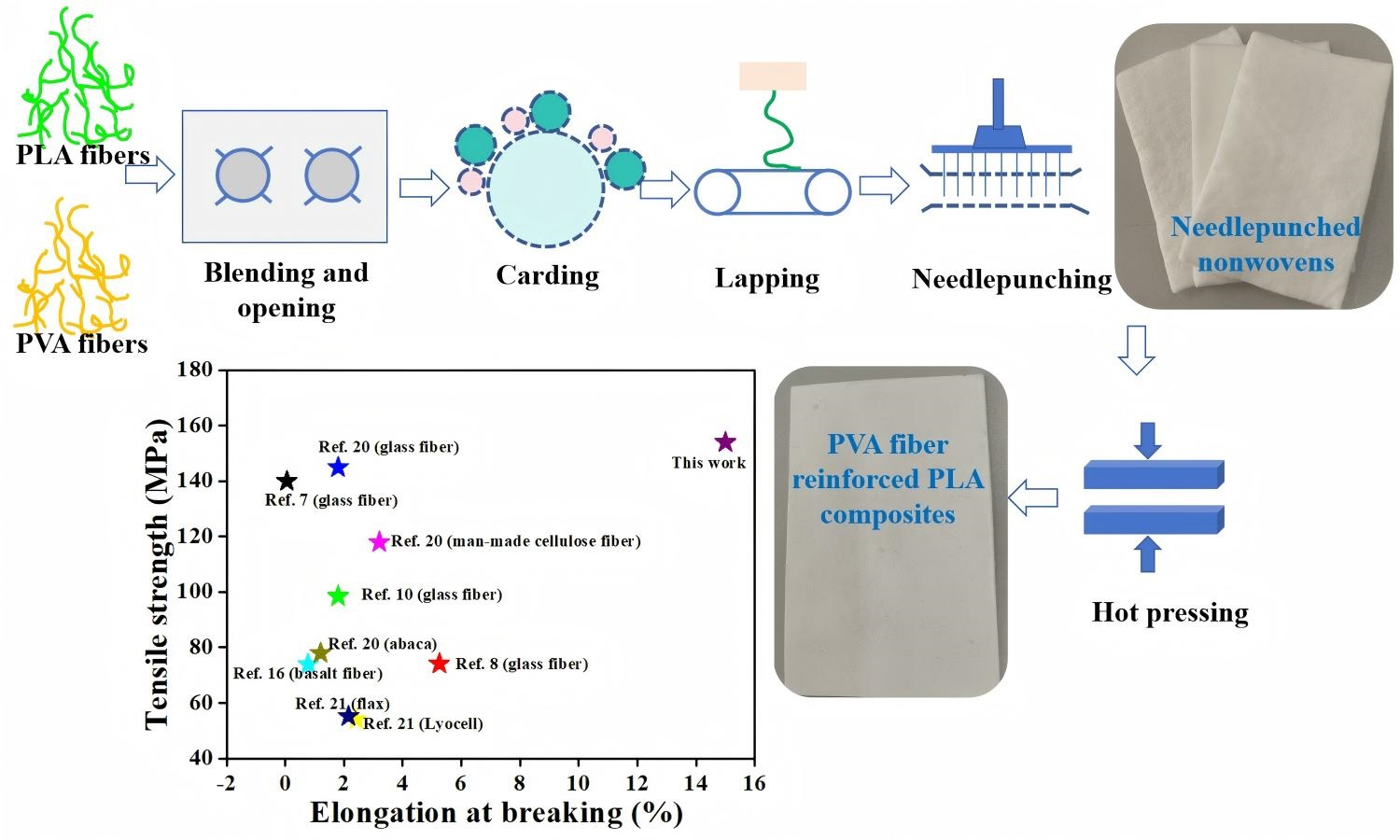
High-strength and high-modulus polyvinyl alcohol fiber (PVAF) reinforced polylactide (PLA) composites (PVAF/PLA-FRPs) with different fiber content were prepared by needlepunching nonwoven process, followed by hot pressing using PVAFs and PLA fibers as raw materials. The obtained PVAF/PLA-FRPs had excellent mechanical properties and isotropic characteristics. The tensile strength and initial modulus of machine and cross-machine direction of PVAF/PLAFRP with 50% PVAF reached 154 MPa and 5.1 GPa, and 152 MPa and 5.2 GPa, respectively. The corresponding strain at break was 15.0 and 13.9%, respectively. PVAF/PLA-FRP with 50% PVAF presented higher tensile strength and strain at break than short fiber-reinforced PLA composites reported by other groups. The tensile destruction of PVAF/PLA-FRPs was attributed to both the pulling out of PVAF from the PLA matrix and the break of PVAF. In PVAF/PLA-FRPs, PVAF acted as an effective nucleating agent to promote the crystallization of PLA.